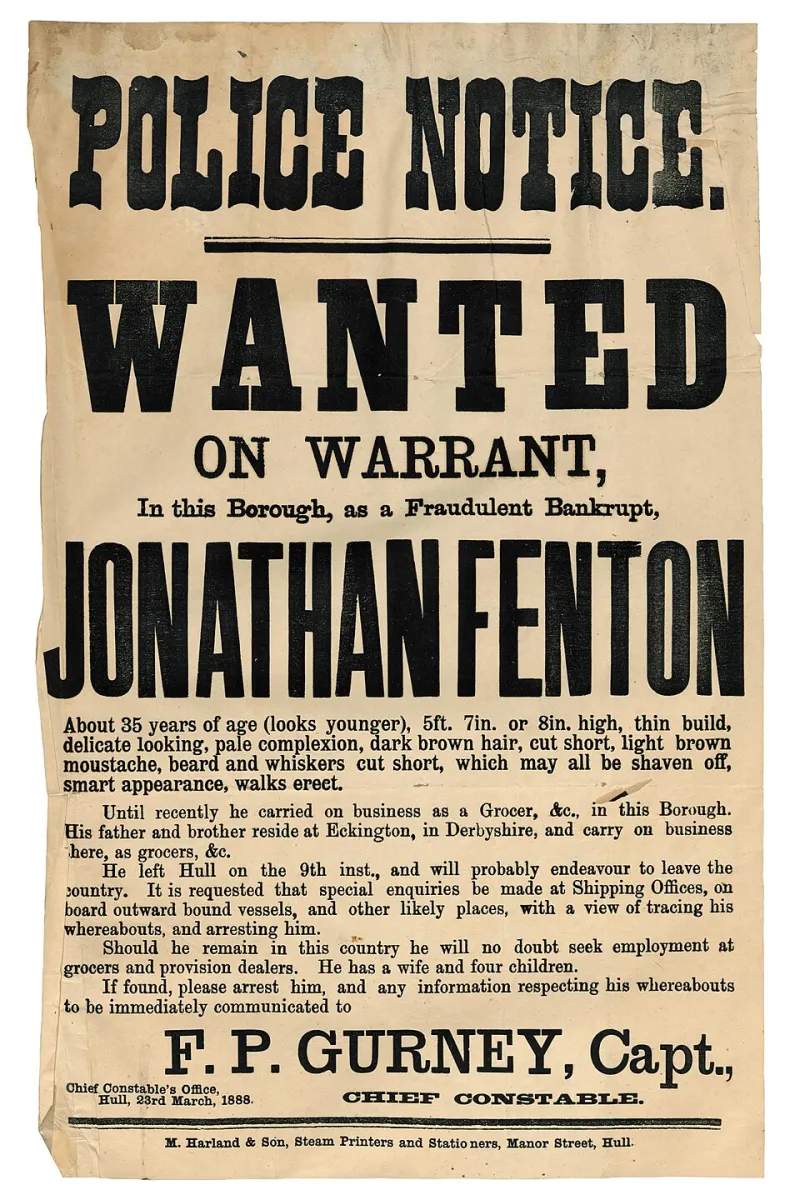
Plot Twists in Real Life: Publishing's Wildest, Most Catastrophic, and Deeply Hilarious Disasters
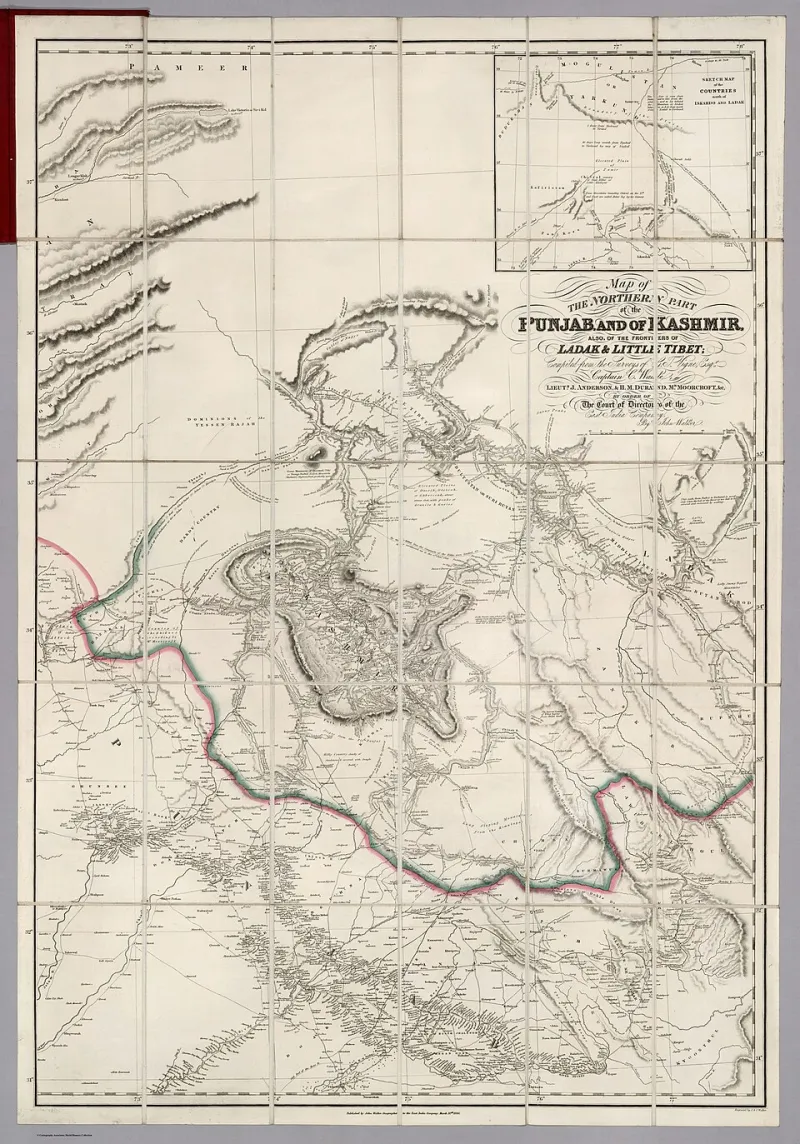
Photo: Walker, John Vigne, G. T. Snderson, J. Wade, C. Durand, H. M., Public domain, via Wikimedia Commons
The publishing industry loves to present itself as a world of hushed editorial wisdom, careful curation, and the solemn stewardship of human culture. Oak-paneled offices. Thoughtful lunches. The measured, dignified advancement of literature.
And then someone sends a company-wide email by accident, or a debut novelist goes fully feral on Goodreads, and the whole beautiful illusion collapses like a soufflé in an earthquake.
The truth is that the business of books is messy, chaotic, petty, and occasionally completely unhinged — and we are here for every single moment of it. Here are some of the publishing world's most spectacular face-plants, feuds, and flaming disasters, presented with the reverence they deserve: absolutely none.
1. The YA Twitter Wars: A Genre Eats Itself
At some point in the mid-2010s, Young Adult Twitter became the single most volatile literary environment since the Algonquin Round Table, except with significantly more callout posts and significantly less wit. Authors, reviewers, and readers created an ecosystem so combustible that a single negative review could detonate into a multi-day, hundreds-of-participants conflagration involving screenshots, subtweets, and the kind of deeply personal accusations that would make a soap opera writer say, "Okay, let's dial it back."
The pattern became almost ritualistic: debut novel gets criticized, author or author's friends respond, response gets screenshotted, the whole thing goes nuclear, a dozen thinkpieces appear, and then everyone takes a "break from social media" for approximately eleven days before doing it again. Publishers watched this happen to their authors — and occasionally to themselves — with the helpless expression of people who had definitely not budgeted for crisis communications.
The lesson nobody fully learned: the internet is forever, and "I'm going to respond to this review" is almost never the right move.
2. James Frey's A Million Little Pieces: The Memoir That Wasn't
In 2003, James Frey published A Million Little Pieces, a raw, brutal memoir about addiction and recovery that became a massive bestseller and got the coveted Oprah's Book Club seal of approval — which, in the early 2000s, was approximately equivalent to being handed the keys to the literary universe.
Then, in 2006, The Smoking Gun published a meticulous investigation revealing that significant portions of the book were fabricated or heavily embellished. The "memoir" contained invented scenes, exaggerated criminal history, and a central event that, in reality, bore almost no resemblance to what Frey had written.
Oprah, who had initially defended Frey on Larry King Live, subsequently invited him back onto her show and, in one of the most memorable moments in television history, essentially took him apart in front of a live studio audience with the focused, controlled energy of someone who had been personally embarrassed and was not going to let that go unaddressed. Frey sat there and took it. The publisher settled a class-action lawsuit. The whole episode became a landmark case in the ongoing debate about what memoir is, what it owes readers, and what happens when you lie to Oprah Winfrey.
Short answer to that last one: nothing good.
3. The Penguin Random House / Simon & Schuster Merger That Wasn't
In 2022, Penguin Random House — already the largest publisher in the world — attempted to acquire Simon & Schuster in a $2.175 billion deal that would have created a publishing entity so dominant it would have controlled roughly a third of the American book market. The Department of Justice looked at this plan and said, in essence, "Absolutely not," filing an antitrust lawsuit to block the merger.
The trial that followed was remarkable for several reasons, not least of which was that Penguin Random House CEO Markus Dohle testified under oath that he personally believed the average book advance was too low — a statement that thrilled authors everywhere and presumably caused several of his own company's finance people to quietly put their heads on their desks.
The merger was blocked. Simon & Schuster was eventually sold to private equity instead, which is arguably a different kind of disaster, but a less publicly entertaining one.
4. The Amazon-Hachette Standoff: When Bookselling Gets Ugly
In 2014, Amazon and the publisher Hachette got into a contract dispute that Amazon decided to resolve by making Hachette books inconvenient to buy on its platform — delaying shipping, removing pre-order buttons, and generally using its position as the dominant bookseller to squeeze a publisher into submission.
What Amazon perhaps did not fully anticipate was that Hachette's authors would notice and would not be quiet about it. Authors including Stephen King, James Patterson, and Malcolm Gladwell signed open letters. Douglas Preston organized a campaign. The Authors Guild got involved. Amazon, apparently surprised that writers — people whose entire job is communicating persuasively — would be effective at public messaging, found itself in a prolonged PR situation that made it look like a bully kicking a bookshelf.
Hachette eventually reached a new agreement with Amazon. The terms were not disclosed. Everyone declared victory and went home. The underlying power dynamics of the industry remained completely unchanged, but for a few months, it was genuinely dramatic.
5. That Time a Publisher Put an Extremely Problematic Cover on a Book About Racism
The publishing industry has a documented and extensively discussed history of putting white figures on the covers of books by and about people of color — a practice so common it has its own name ("whitewashing") and its own persistent, justified criticism. But occasionally the industry manages to do something so specifically, uniquely wrong that it transcends the general pattern and becomes its own special incident.
There have been multiple cases of covers being recalled and redesigned after publication, authors going public with their objections to artwork they were never properly consulted on, and marketing departments making decisions that suggested nobody in the room had actually read the book they were packaging. Every time, the author is left to do the public-facing cleanup of a mess they didn't make, while the publisher issues a statement using the word "oversight" with a frequency that suggests they keep it on a keyboard shortcut.
6. The Fake Author Epidemic
The rise of self-publishing and AI-assisted content generation has given the industry a brand new category of disaster: books published under fake author names, with fake credentials, sometimes containing content that is factually dangerous. The romance genre has been particularly hit by "book flooding" — the practice of publishing massive volumes of AI-generated or plagiarized content under pseudonyms to game Amazon's algorithms — which has made it genuinely harder for actual human authors to get their work in front of readers.
Amazon has attempted to address this with submission limits and detection tools. The people doing it have adapted. It is, at this point, an arms race between a multi-trillion-dollar company and people who are extremely motivated to figure out how to upload a lot of bad books very quickly. Literature is fine. Everything is fine.
The Takeaway
If there's a through line in all of publishing's greatest disasters, it's this: the industry consistently underestimates how loudly and effectively the people who love books will respond when something goes wrong. Authors, readers, and the broader literary community are not passive consumers. They are, by definition, people who pay close attention to language and narrative — and they will absolutely notice when yours doesn't add up.
The books may be the product. But the chaos? The chaos is free.
And honestly, we wouldn't change a word of it.